

Picture this: You’re scrolling through Pinterest, admiring vibrant gardens bursting with flowers, fresh vegetables, and cozy seating areas. You dream about creating your own slice of nature but feel a little intimidated. What if you have a black thumb? Well, fear not! Gardening isn’t just for the pros or those with a magic touch. Whether you have a sprawling backyard or a small balcony, there are simple, doable ideas that can help you grow a flourishing garden. Here’s what actually works.
Raised Beds for Easy Planting
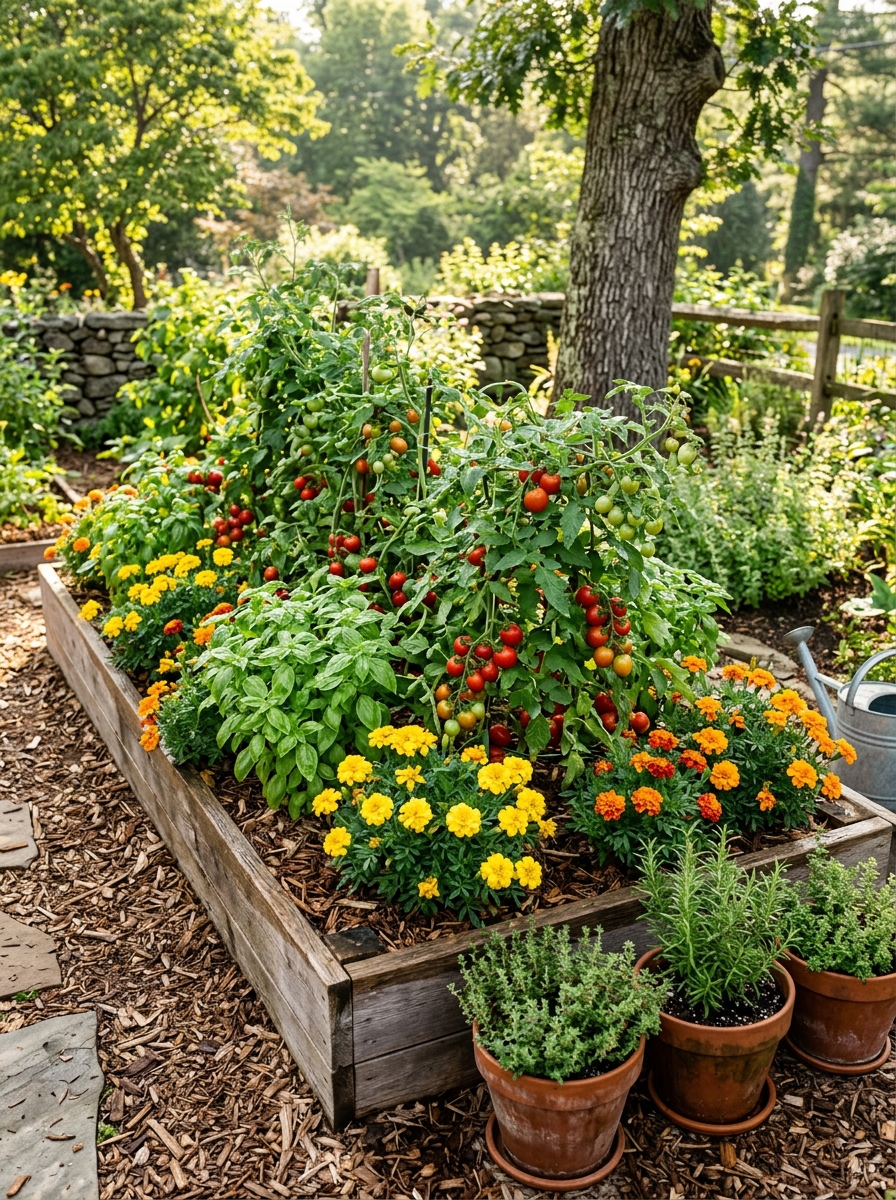
Raised garden beds are like the superheroes of starter gardens. They help define your planting area, keep soil conditions optimal, and make it easier to manage your plants without bending over constantly. You can use untreated wood, bricks, or even repurposed materials to create them. Plus, they look great in any backyard! Imagine your plants nestled in rich soil, surrounded by bright green grass and colorful flowers peeking over the edges. The best part? You can control the soil quality, ensuring your plants get all the nutrients they need. It feels like you’re giving them a VIP treatment! As you watch your seedlings thrive, the satisfaction of seeing your hard work pay off is truly rewarding. Remember: it’s not about perfection; it’s about progress.
Pro Tip: Start with a 4×4 ft raised bed filled with a mix of topsoil and compost for optimal plant health.
Container Gardening for Small Spaces
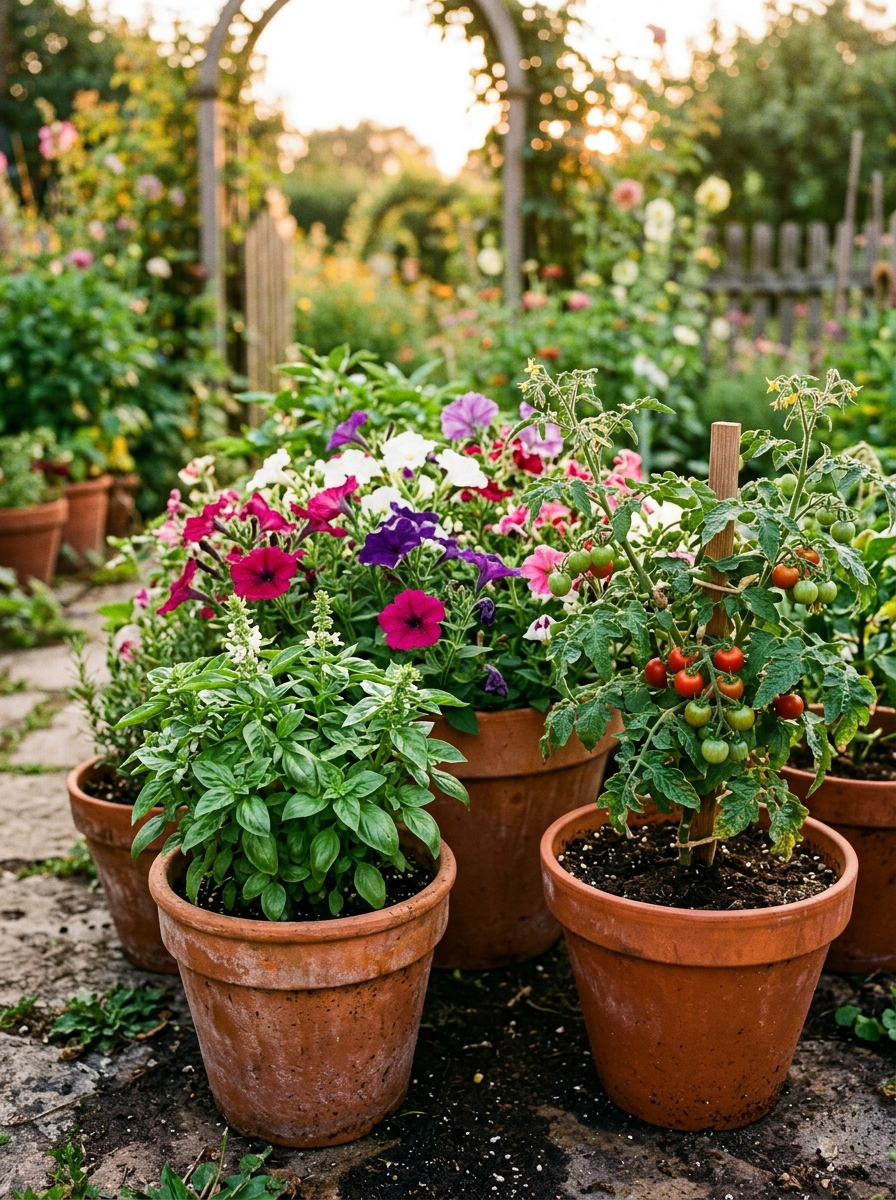
Container gardening is a fantastic option if you’re limited on space or just want to dip your toes into gardening. Think about it: colorful pots filled with herbs, flowers, or even small vegetables can decorate your patio, balcony, or even a sunny windowsill. You can mix and match containers of different sizes, colors, and materials to create an eye-catching display. Choosing the right plants is key; go for compact varieties like cherry tomatoes, basil, or petunias that thrive in confined spaces. It’s like having your own mini jungle! With proper watering and sunlight, you can enjoy the fruits of your labor even in the smallest of areas. As you nurture these little pots of joy, the delightful scents and vibrant colors will brighten your days.
Pro Tip: Use lightweight potting soil in your containers to ensure proper drainage and prevent overwatering.
Herb Spiral for Flavor and Fun
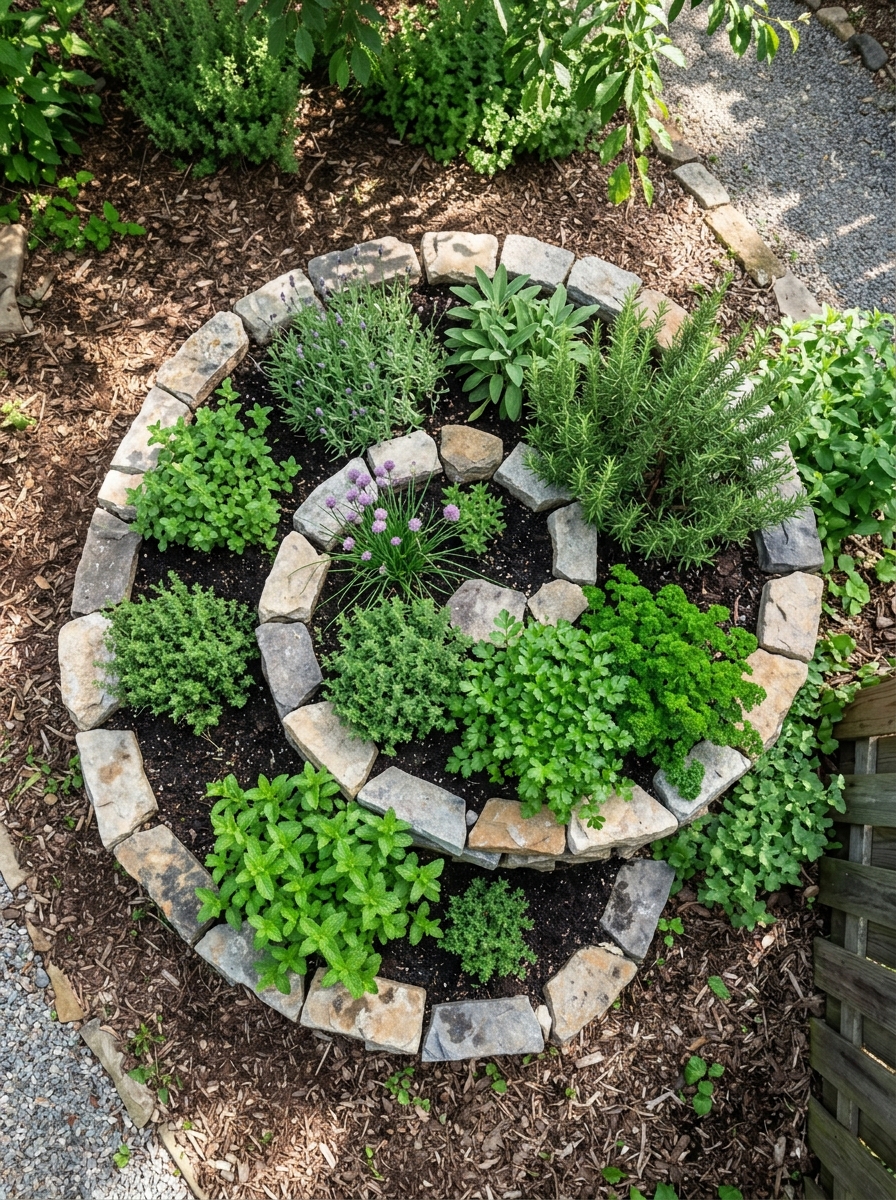
An herb spiral is not only a fun project but also a fantastic way to grow a variety of herbs in a compact space. Picture a spiral-shaped garden that climbs up and down, allowing you to plant different herbs at various heights and sun exposure levels. You can create this using stones, bricks, or even wood. Imagine the aroma of fresh mint, rosemary, and thyme wafting through the air as you step into your garden. You can easily harvest your favorite herbs for cooking, adding both flavor and freshness to your meals. This little oasis is not just practical; it’s a conversation starter! Friends will love hearing about your creative gardening idea while admiring the lush, green beauty.
Pro Tip: Plant herbs that thrive together, like basil, parsley, and chives, to maximize your harvest and aesthetics.
Vertical Gardening for Style and Space
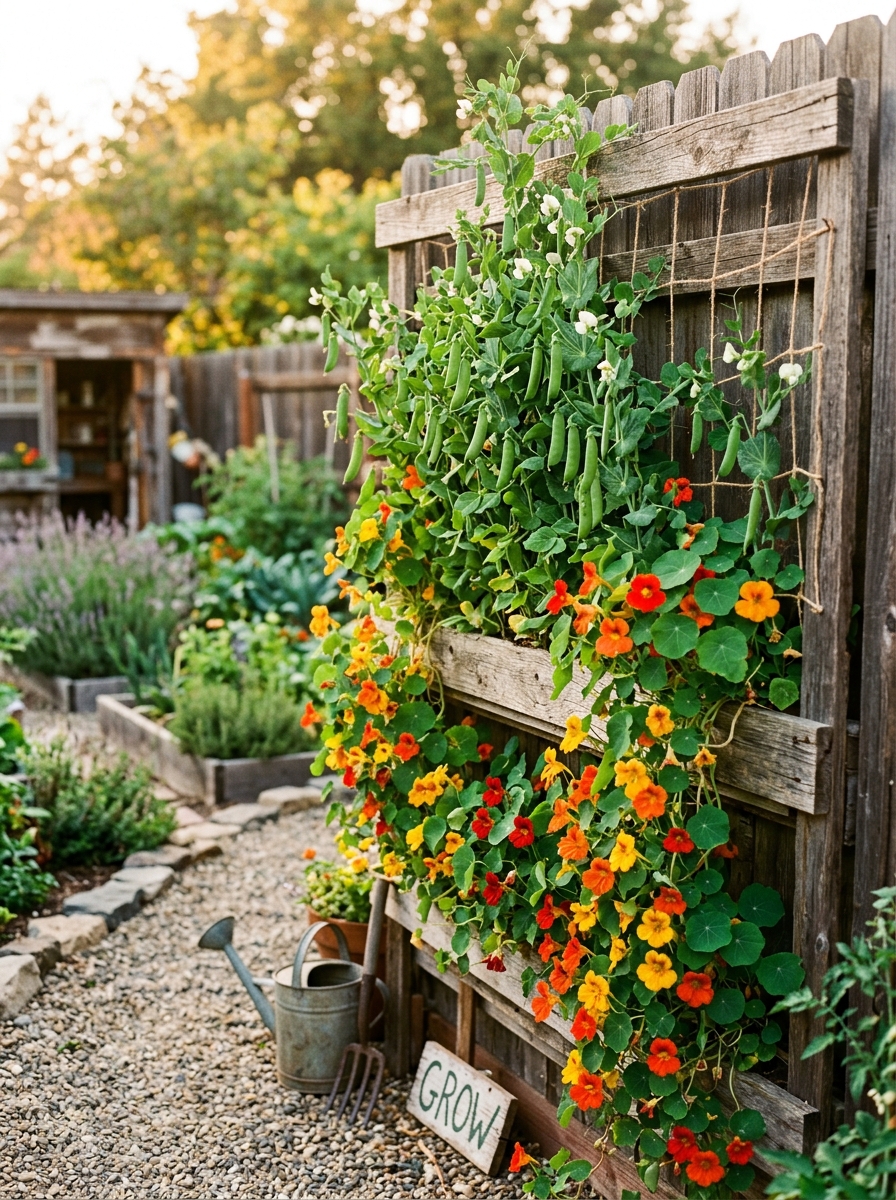
Vertical gardening is a playful way to maximize your space while adding visual interest to your home garden. You can use trellises, wall planters, or even hanging pots to create an enchanting green wall. Imagine your favorite climbing plants, like peas or sweet peas, gracefully draping down, adorned with vibrant flowers or leafy greens. This not only saves ground space but also creates a stunning backdrop for your outdoor area. It’s like vertical art, only it smells better and can be eaten! Choosing the right plants that thrive in vertical settings is crucial, so consider varieties that climb or cascade beautifully. Watching your garden grow upwards can feel like a mini adventure every time you step outside.
Pro Tip: Use sturdy trellises for climbing plants and ensure they receive adequate sunlight for healthy growth.
Companion Planting for a Thriving Garden
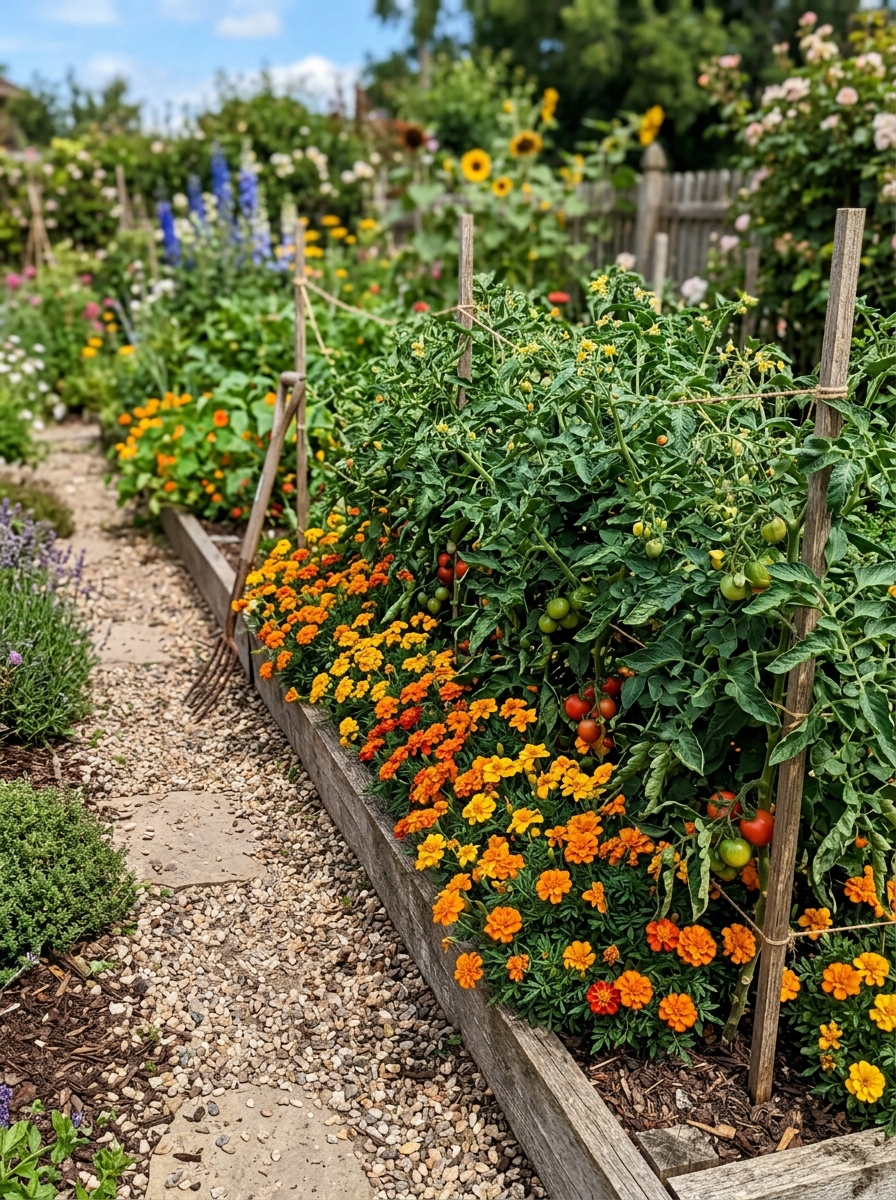
Companion planting is a fun strategy that pairs plants together for mutual benefit. Think of it like a buddy system for your plants! Certain combinations can help deter pests, enhance growth, or improve flavor. For instance, planting basil alongside tomatoes not only makes for a delicious pairing in your kitchen but also helps improve each other’s growth. Picture your garden bursting with color and life, with plants thriving in harmony. Not only does this method promote a healthy ecosystem, but it also gives your garden a more dynamic look. As you observe the interactions between plants, you’ll feel like a nature detective uncovering the secrets of gardening. It’s an engaging way to learn and grow, well beyond just nurturing your plants.
Pro Tip: Pair marigolds with vegetables to help repel pests naturally and nourish the soil.
Pollinator-Friendly Plants for Buzzing Beauty
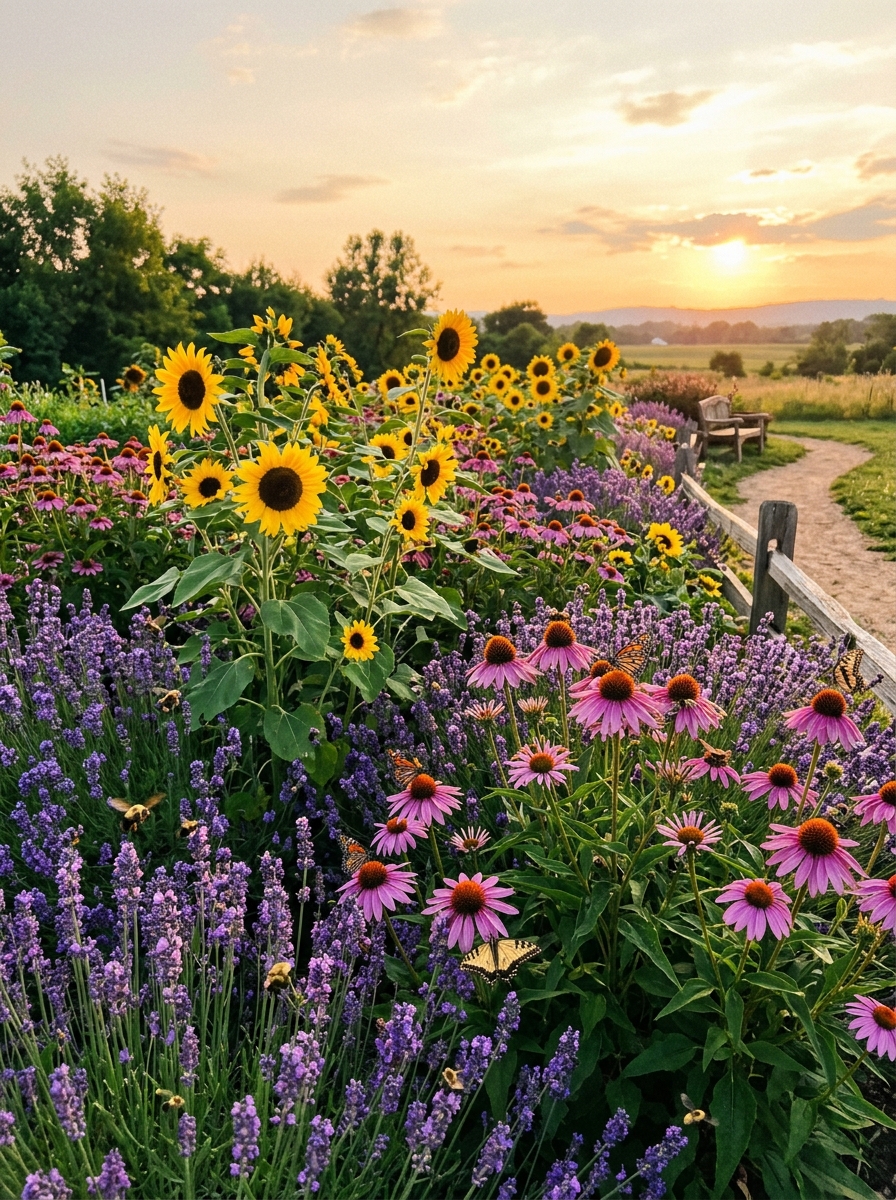
Creating a pollinator-friendly garden is a delightful way to support local wildlife while adding beauty to your space. Imagine planting colorful flowers that attract butterflies, bees, and other pollinators, creating a lively atmosphere in your garden. Not only do these creatures enhance the beauty of your yard, but they’re also crucial for the ecosystem. You can choose plants like lavender, coneflowers, and sunflowers that bloom in various seasons, ensuring a continuous food source for pollinators. As you watch them flutter about, you’ll feel a sense of connection to nature, and the added buzz in your garden will make your gardening experience even more magical. It’s a win-win for you and for the environment!
Pro Tip: Select a mix of native flowering plants to create a thriving habitat for pollinators.
Composting for Healthy Soil
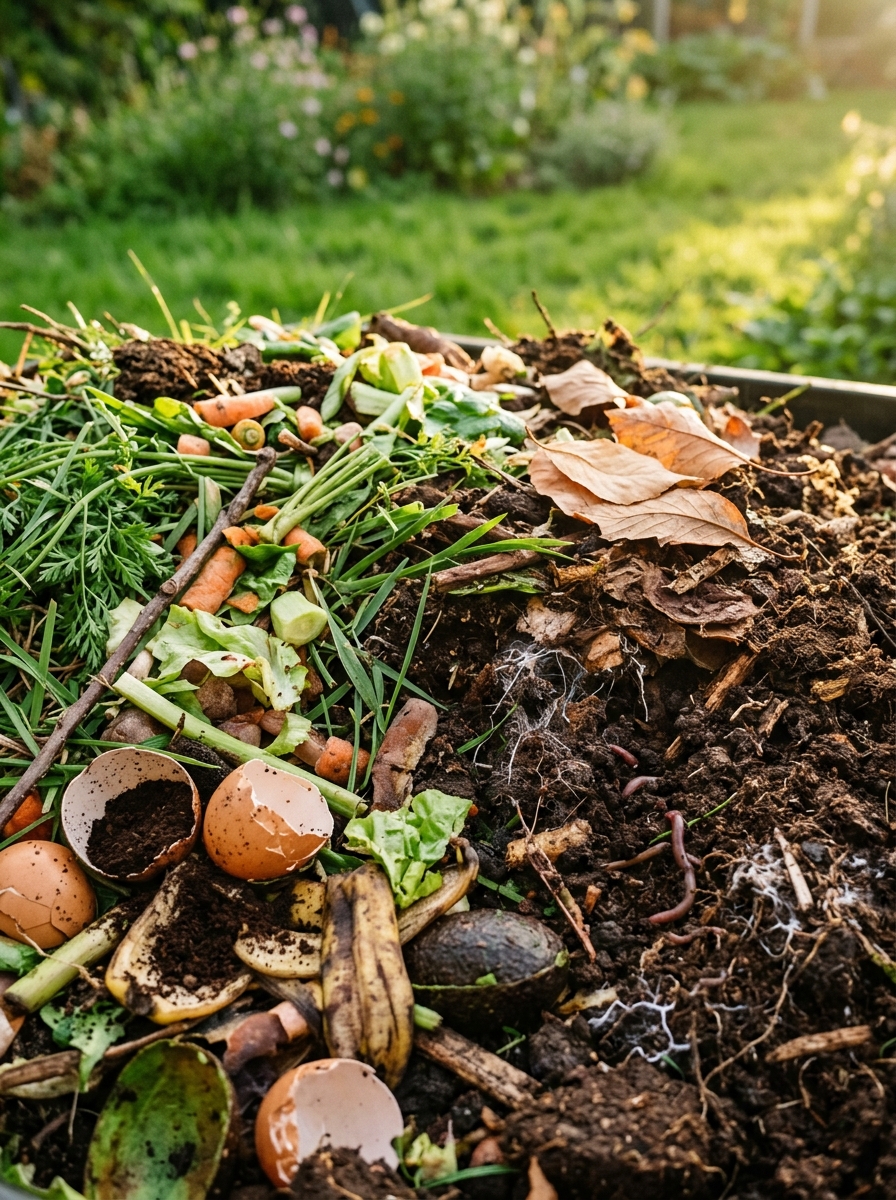
Composting is not only environmentally friendly, but it also creates rich, nutritious soil for your garden. Imagine turning your kitchen scraps and yard waste into black gold that nurtures your plants. Start a simple compost bin in a corner of your yard or even in a kitchen container. You’ll be amazed at how quickly those scraps break down into nutrient-rich compost, perfect for boosting your garden’s health. It’s like giving your plants a feast every time you plant! Plus, the earthy scent of fresh compost can be oddly satisfying. As you add layers of green and brown materials, you’ll feel like you’re partaking in a beautiful cycle of life, feeding your garden with love.
Pro Tip: Balance green materials (kitchen scraps) with brown materials (dry leaves) to create healthy compost.
Seasonal Planting for Year-Round Color
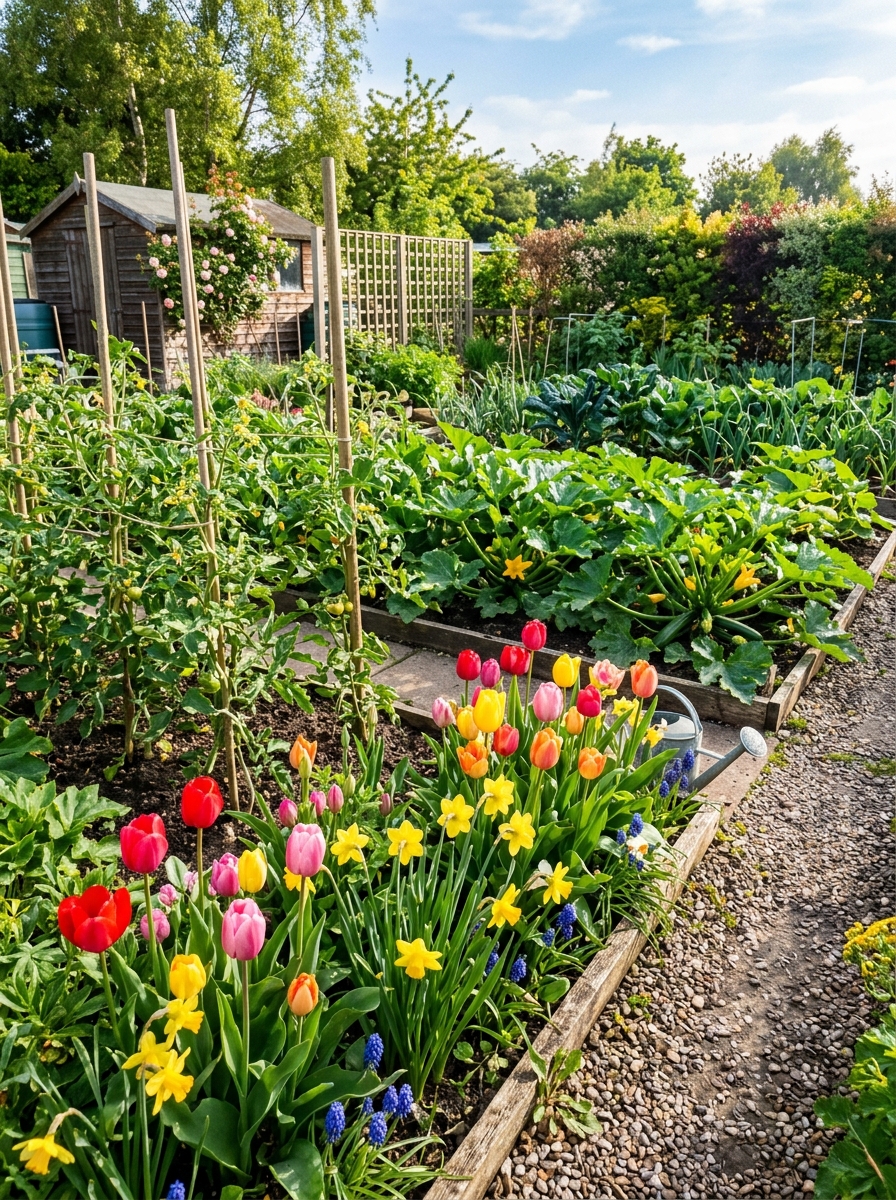
Understanding seasonal planting can turn your garden into a vibrant tapestry of colors and textures all year long. Picture a garden that changes with the seasons, from bright spring blooms to cozy autumn harvests. Each season brings different plant varieties to life, creating a dynamic environment that never feels dull. Start with cool-season crops like lettuce and radishes in the spring, and transition to warm-season favorites like tomatoes and peppers in the summer. As autumn approaches, you can plant hardy flowers like chrysanthemums for a cheerful display. This not only keeps your garden looking fresh but also teaches you valuable lessons about timing and plant care. Embracing the seasons adds a magical element to your gardening journey and keeps you engaged throughout the year.
Pro Tip: Plan your garden layout based on seasonal planting guides to maintain a continuous bloom.
Outdoor Mulching for Healthy Plants
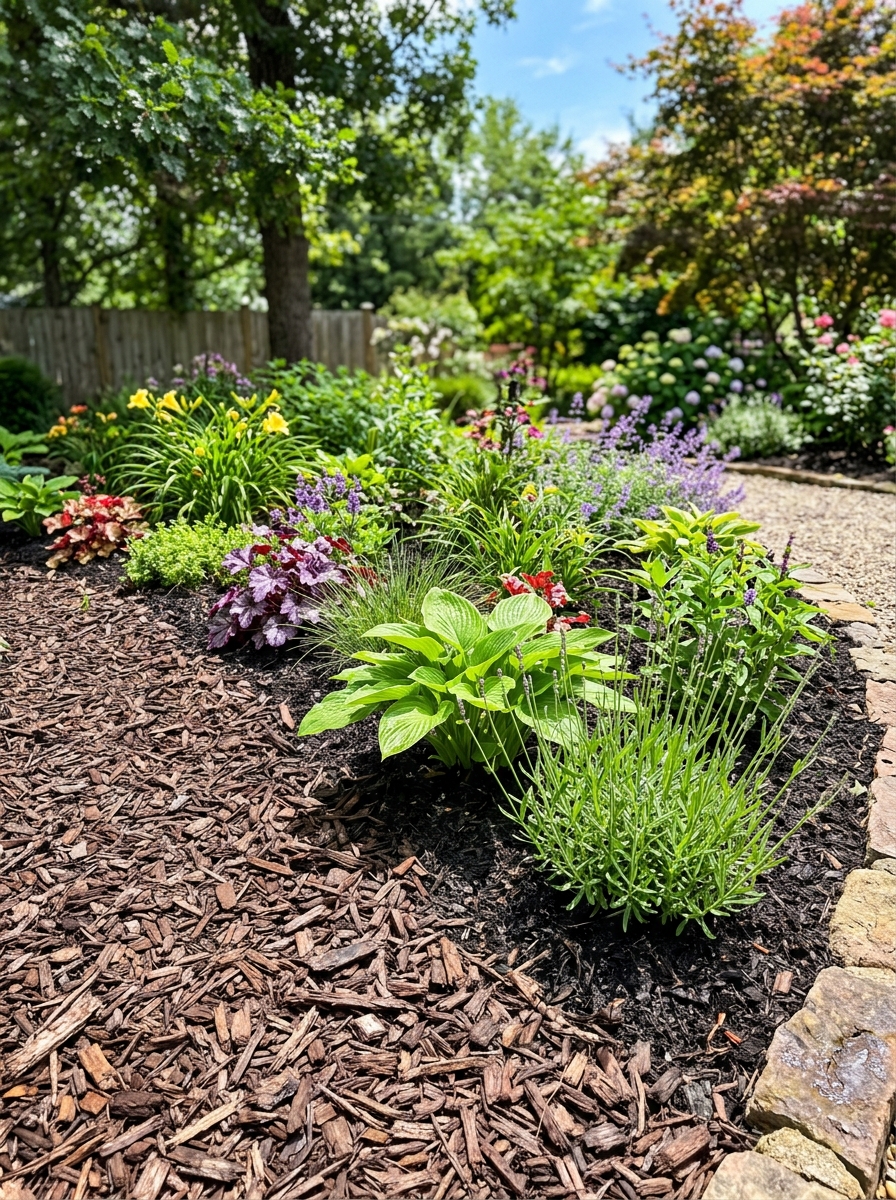
Mulching is one of those gardening tasks that seems simple but packs a punch when it comes to plant health. Imagine a garden bed layered with a cozy blanket of mulch that retains moisture, suppresses weeds, and improves soil quality. It’s like a spa treatment for your plants! You can use organic materials like wood chips, straw, or even shredded leaves to create this beneficial barrier. Not only does it keep your garden looking neat and tidy, but it also enhances the aesthetic appeal. Watching the mulch break down over time adds nutrients back into the soil, providing a continuous source of nourishment. Plus, who doesn’t love less weeding? You’ll find mulching becomes your gardening best friend.
Pro Tip: Apply a 2–3 inch layer of organic mulch around your plants to help retain moisture and suppress weeds.
A Garden Journal for Tracking Progress
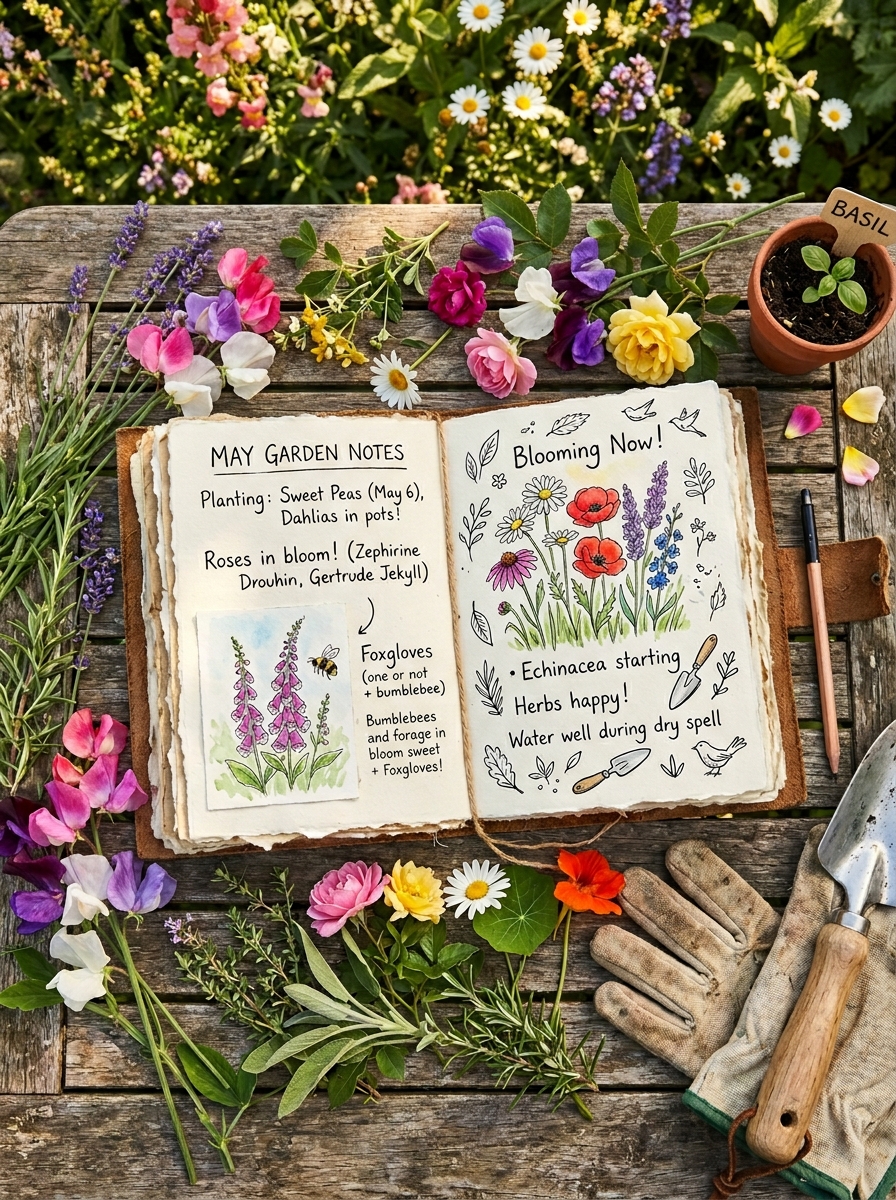
Keeping a garden journal is like having a personal coach by your side, guiding you through your gardening journey. Picture yourself jotting down notes about what you planted, when you watered, and how your plants are doing. Over time, you’ll notice patterns and learn what works best in your space. It’s a gratifying experience to look back and see your progress. Plus, you can sketch out your garden plans and ideas, making the whole process feel more intentional. It’s a wonderful way to connect with nature and document your experiences. Whether you prefer a digital app or a classic notebook, keeping a garden journal can help you become a more confident gardener as you learn from your successes and your mistakes!
Pro Tip: Set aside 10 minutes each week to write in your garden journal about your observations and plans.
The Joy of Gardening with Children
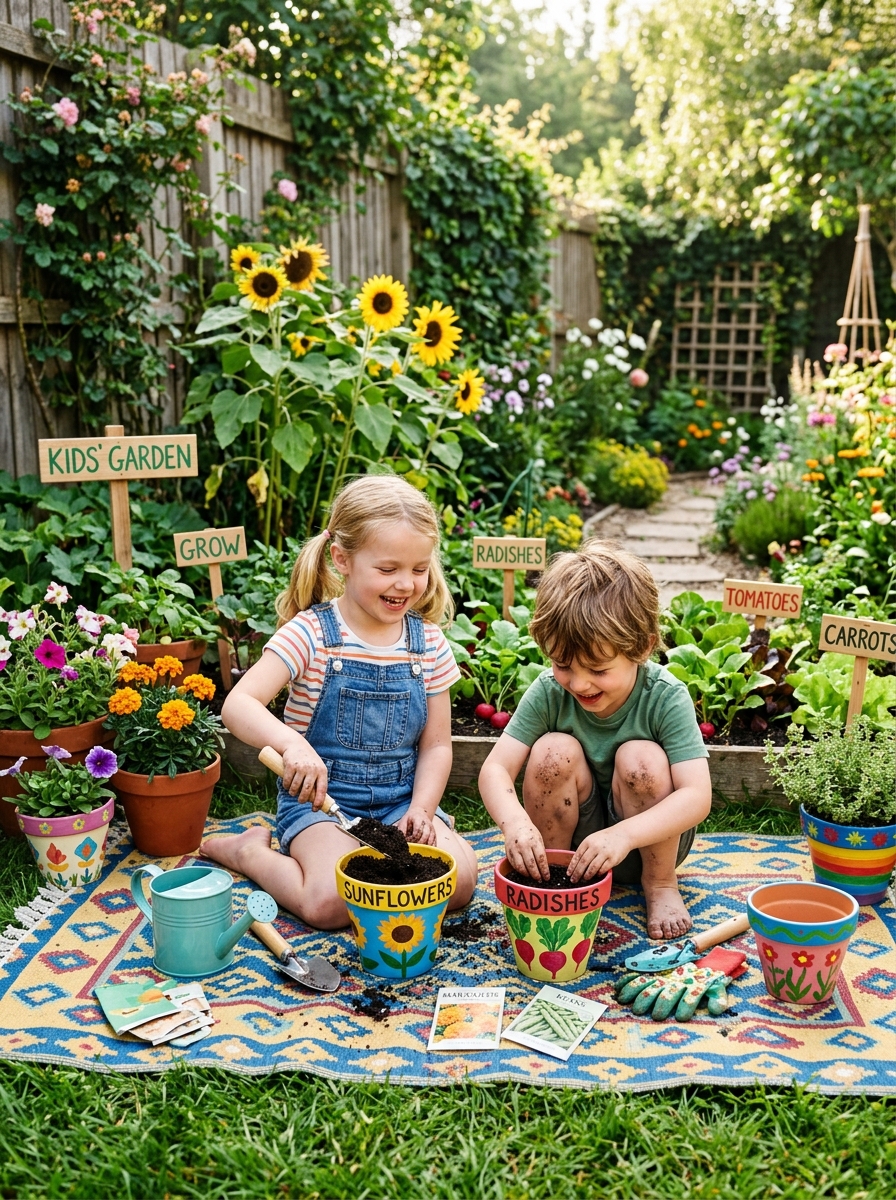
If you’re looking for a way to bond with your little ones while planting seeds for their future (pun intended!), involving children in gardening is a delightful option. Starting a garden with kids not only teaches them about responsibility but also allows them to experience the wonder of watching life bloom from tiny seeds. Imagine the excitement in their eyes as they witness the growth of their first sunflower or the thrill of harvesting juicy cherry tomatoes they helped plant! It’s a hands-on learning experience filled with exploration and discovery. Choose easy-to-grow plants like sunflowers, radishes, or snap peas, which germinate quickly and yield results that encourage further gardening. Create small, designated areas or containers for their plants to give them a sense of ownership over their little patch of green. Use playful tools with bright colors and whimsical shapes to make it even more engaging. Plus, don’t forget to incorporate a little bit of fun — scavenger hunts for garden bugs or fairy houses among the flowers can turn a simple gardening session into an exciting adventure.
Pro Tip: Start with fast-growing plants to keep kids engaged and excited about their garden.
Quick Guide
Material Comparison: Wood vs Stone vs Metal | Material | Cost | Durability | Look | |———-|——|————|——| | Wood | Low | Moderate | Natural| | Stone | High | High | Rustic | | Metal | Moderate | High | Modern |
Conclusion
Gardening is an exciting adventure, filled with opportunities to learn and grow. Each of these ideas offers a unique way to create beauty in your outdoor space, no matter your skill level. Remember, the goal is to have fun and cultivate a deeper connection with nature. As you explore these beginner-friendly concepts, don’t hesitate to experiment and make it your own. You’ve got this! Which of these ideas are you trying first? Let me know in the comments.
Frequently Asked Questions
What are the best plants for beginners?
Starting with easy-to-grow plants like herbs (basil, mint), flowers (marigolds, zinnias), or vegetables (lettuce, radishes) is ideal for beginners.
How often should I water my garden?
Watering frequency depends on the plants and weather, but generally, aim for 1 inch of water per week, either from rain or irrigation.
What is the easiest way to start a garden?
Starting with raised beds, containers, or a small herb garden allows beginners to manage space and plants easily.
Do I need special tools for gardening?
Basic tools like a trowel, pruners, and a watering can are sufficient for beginners to get started with gardening.